
Turf Toe: Not Just a Football Injury
Turf Toe Treatment: How to Get Rid of Turf Toe
Staying active is one of the best ways to support your overall health, but sports and physical activities can sometimes lead to injuries. One common injury that affects athletes and active individuals is turf toe. While many people associate turf toe with football players, it can occur in a variety of sports and activities that place stress on the big toe joint.
Understanding the causes, symptoms, and options for treating turf toe can help you recover faster and avoid long-term complications. If you’re searching for a turf toe cure or wondering how to get rid of turf toe, early diagnosis and treatment are essential. Read on to learn how turf toe develops and what you can do to get back to your favorite activities safely.
What Is Turf Toe?
Turf toe is a sprain of the metatarsophalangeal (MTP) joint, the joint located at the base of the big toe. This injury occurs when the big toe bends upward beyond its normal range of motion, causing damage to the surrounding ligaments, tendons, and soft tissues.
Although turf toe is commonly associated with football players, it can affect athletes in many sports, including soccer, basketball, track and field, and gymnastics. Dancers, especially ballet performers, may also be at risk due to repetitive stress placed on the forefoot. Certain types of footwear, including cleats and highly flexible athletic shoes, can increase stress on the big toe joint and contribute to injury.
Because turf toe involves damage to important structures that help you push off with every step, seeking treatment early can help prevent ongoing pain and stiffness.
Causes of Turf Toe
Turf toe most often occurs when the big toe is forcefully bent backward while the foot remains planted on the ground. This sudden hyperextension places excessive stress on the MTP joint and supporting structures.
Common causes include:
- Football and other field sports
- Soccer and basketball activities involving quick direction changes
- Ballet and dance movements that place repeated pressure on the forefoot
- Running and jumping activities
- Falls or direct impact injuries
Some cases develop suddenly after a single traumatic event, while others occur gradually from repetitive stress and overuse.
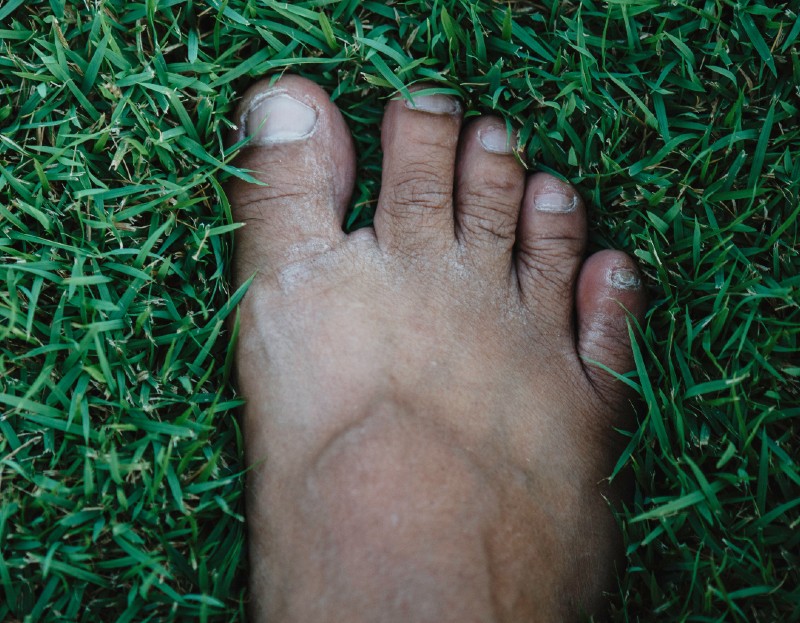
Symptoms of Turf Toe
Symptoms can vary depending on the severity of the injury.
Common signs include:
- Pain at the base of the big toe
- Swelling around the joint
- Bruising or discoloration
- Limited range of motion
- Difficulty pushing off while walking or running
- Tenderness around the joint
Some individuals experience a sudden “pop” sensation at the time of injury, while others notice symptoms developing gradually after repeated stress.
If left untreated, turf toe can lead to chronic pain, joint stiffness, weakness, and reduced athletic performance. Recognizing symptoms early gives patients the best opportunity for a successful turf toe cure and a faster return to activity.
How to Get Rid of Turf Toe: Home Care Options
For mild cases, early treatment can help reduce pain and inflammation while supporting the healing process. Before coming in and seeing Dr. Haddad, the best thing to try is the RICE method.
- Rest: Avoid activities that place stress on the injured toe. Returning to sports too soon may worsen the injury.
- Ice: Apply ice packs for 15 to 20 minutes several times per day to help reduce swelling and discomfort.
- Compression: Light compression may help control swelling and provide support.
- Elevation: Keeping the foot elevated can help reduce inflammation and promote recovery.
- Supportive Footwear: Wearing supportive shoes with a stiff sole can help limit motion at the big toe joint during healing. Avoid flexible footwear and high-risk activities until symptoms improve.
Professional Turf Toe Treatment
If pain persists, symptoms worsen, or the injury interferes with daily activities, it’s a good idea to schedule an appointment at Richardson Podiatry Associates.
Our podiatrist, Dr. Haddad, will begin with a thorough medical history and physical examination to assess the severity of the injury. Diagnostic imaging, such as X-rays, may be used to evaluate the joint and rule out fractures or other conditions.
Treatment options may include:
- Splinting or Taping: Stabilizing the big toe can protect the joint and limit excessive movement while healing.
- Physical Therapy: Rehabilitation exercises can improve strength, flexibility, balance, and range of motion while supporting recovery.
- Anti-Inflammatory Medications: Medication may be recommended to reduce pain and inflammation during healing.
- Surgery: Most cases respond well to conservative care. Surgery is typically reserved for severe injuries involving significant ligament damage, instability, or persistent symptoms that do not improve with non-surgical treatment.
Prevention Tips
While not every sports injury can be prevented, several strategies may help lower your risk.
- Wear Supportive Footwear: Choose athletic shoes that provide appropriate support and stability for your sport or activity.
- Strengthen the Foot and Big Toe: Exercises that improve foot strength and stability can help protect the MTP joint.
- Practice Proper Technique: Using proper form during sports, training, and dance activities can reduce unnecessary stress on the big toe.
Prevent Recurrence
We are always happy to help patients recover from sports injuries, but preventing them is even better. Wearing supportive footwear and paying attention to recurring discomfort can go a long way toward protecting the big toe joint.
Find Relief From Turf Toe
Turf toe may seem like a minor injury, but without proper care, it can lead to chronic pain, stiffness, and limitations in athletic performance. Recognizing symptoms early and seeking treatment can help speed recovery and improve long-term outcomes.
Whether your injury occurred during a competitive game, a workout, or simply while staying active, Dr. Haddad can help determine the extent of the damage and recommend the most effective treatment plan. Contact Richardson Podiatry Center today to schedule an evaluation and receive a personalized treatment plan designed to get you back on your feet.