
Peripheral Neuropathy Treatment in Richardson, TX
Peripheral neuropathy can cause numbness, tingling, burning, and nerve pain in the feet. These symptoms may develop gradually, but untreated nerve damage can affect sensation, balance, and mobility while increasing the risk of unnoticed foot injuries. Early evaluation can help identify potential causes, manage symptoms, and protect your long-term foot health.
At Richardson Podiatry Associates, Dr. David Haddad provides personalized peripheral neuropathy treatment in Richardson, TX. Whether your symptoms are related to diabetes, an injury, or another underlying condition, our goal is to help manage discomfort, protect your feet, and support your mobility.
What is Peripheral Neuropathy?
Peripheral neuropathy develops when the peripheral nerves outside the brain and spinal cord become damaged or do not function properly. These nerves send signals between the brain and the rest of the body, including sensations such as touch, temperature, and pain.
When nerve signals are disrupted, symptoms often begin in the feet and lower legs. Diabetes is one of the most common causes of peripheral neuropathy and can develop when high blood sugar damages nerves over time.
Other conditions, injuries, medications, nutritional deficiencies, and lifestyle factors can also contribute to nerve damage. Because neuropathy can worsen gradually, recognizing early symptoms and seeking evaluation is important.
Common Causes of Peripheral Neuropathy
Several conditions and factors can contribute to nerve damage. Common causes include:
Diabetes
Diabetic neuropathy is the most common form of peripheral neuropathy. High blood sugar levels can gradually damage the nerves, particularly those in the feet and lower legs.
Vitamin Deficiencies
Certain deficiencies, including B-vitamin deficiencies, can interfere with normal nerve function.
Poor Circulation
Reduced blood flow can limit the oxygen and nutrients that nerves need to remain healthy.
Autoimmune Diseases
Certain autoimmune disorders may cause inflammation that damages peripheral nerves.
Alcohol Use
Long-term alcohol use may contribute to nerve damage and nutritional deficiencies.
Nerve Compression
Chronic pressure on nerves from structural abnormalities or repetitive stress may lead to neuropathy symptoms, such as pain, tingling, or numbness.
Injury or Trauma
Fractures, surgery, sports injuries, and accidents may damage nerves.
Identifying the possible cause of neuropathy helps guide appropriate treatment and foot care.
How Peripheral Neuropathy Affects Your Feet
Healthy nerves allow you to feel pain, pressure, heat, and cold. This protective sensation helps you recognize injuries before they become more serious.
When neuropathy causes numbness in the feet, a small cut, blister, burn, or pressure point may go unnoticed. This can be especially concerning for people with diabetes, who may have an increased risk of foot ulcers and infections.
Neuropathy may also contribute to:
-
- Loss of protective sensation
- Balance problems and increased fall risk
- Muscle weakness
- Difficulty walking
- Changes in gait
- Increased risk of foot wounds and infections

Peripheral Neuropathy Symptoms
Symptoms vary depending on the severity and cause of nerve damage. Common peripheral neuropathy symptoms include:
-
- Tingling in the feet or toes
- Burning feet, especially at night
- Numbness or reduced sensation
- Sharp, shooting, or stabbing nerve pain
- Increased sensitivity to touch
- Muscle weakness
- Difficulty walking or maintaining balance
- Reduced ability to feel heat, cold, or pain
- Slow-healing cuts, blisters, or wounds
- Loss of coordination
Persistent, worsening, or unexplained changes in sensation should be evaluated by a healthcare professional.
Diagnosing Peripheral Neuropathy
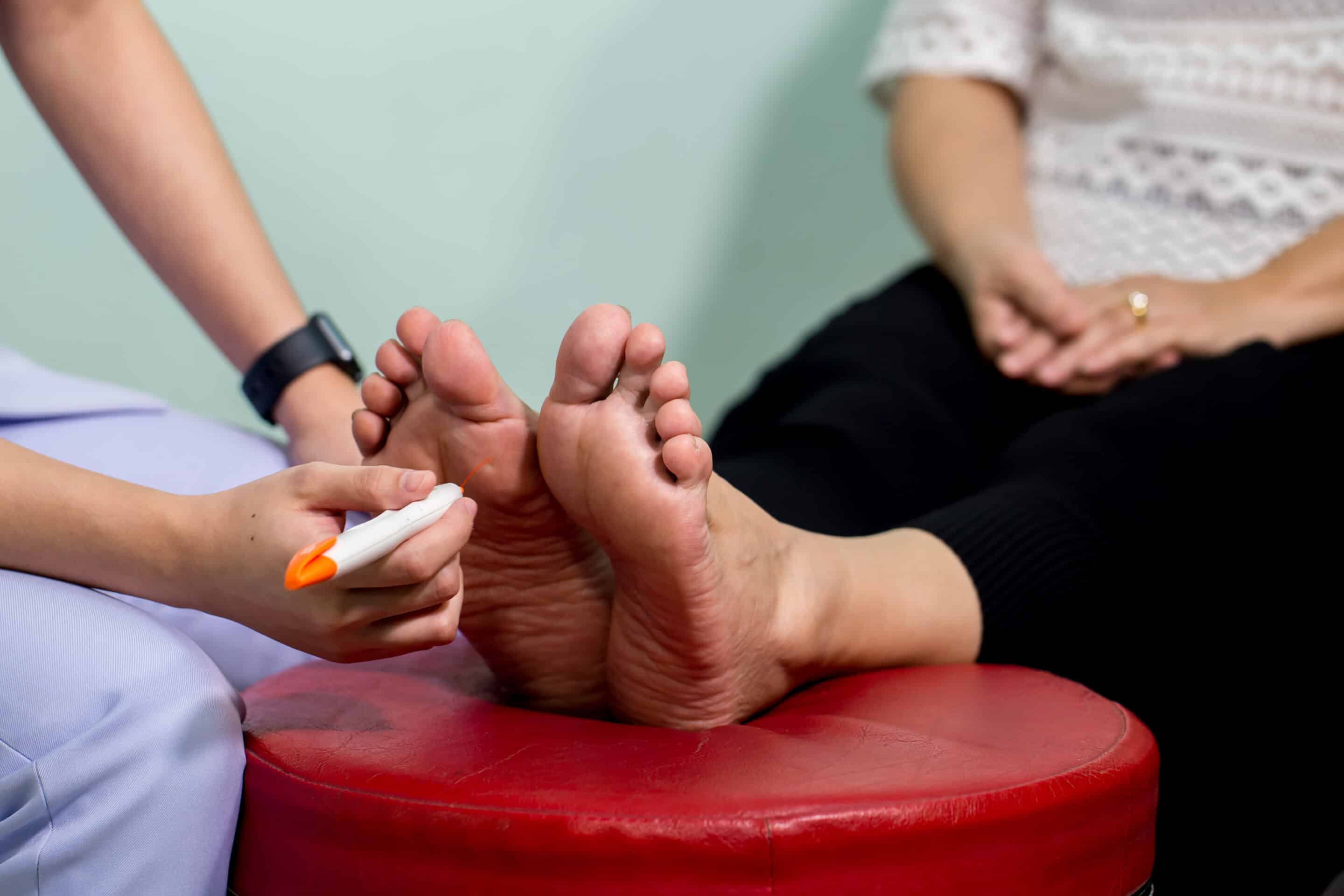
An accurate diagnosis is an important first step in managing neuropathy. During your appointment, Dr. Haddad will review your symptoms and medical history and perform a comprehensive examination of your feet.
Depending on your symptoms, your evaluation may include:
-
- Physical examination of the feet
- Sensory testing
- Monofilament testing
- Vibration testing
- Reflex evaluation
- Assessment for diabetic foot complications
If additional evaluation is needed, care may be coordinated with your primary care physician or a neurologist to help identify an underlying cause.
Peripheral Neuropathy Treatment
There is no single treatment that works for every patient. Your neuropathy treatment will depend on the underlying cause, symptoms, and condition of your feet.
At-Home Neuropathy Care
Protecting your feet is especially important when sensation is reduced. Your care plan may include:
-
- Checking your feet daily for cuts, blisters, redness, and other changes
- Managing blood sugar if you have diabetes
- Wearing supportive, protective footwear
- Exercising regularly as appropriate
- Maintaining healthy nutrition
- Applying moisturizer to dry skin while avoiding the areas between the toes
- Practicing safe toenail care
These habits can help reduce the risk of unnoticed injuries and support overall foot health.
In-Office Treatment
Depending on your individual needs, treatments may include:
-
- Custom orthotics to reduce pressure on sensitive areas
- Therapeutic footwear for additional foot protection
- Medication recommendations to help manage nerve-related pain
- Physical therapy to support strength, balance, and mobility
- Routine diabetic foot care for patients at increased risk of complications
Treatment may also focus on managing the underlying condition contributing to nerve damage.
How Richardson Podiatry Associates Can Help
Peripheral neuropathy can affect more than how your feet feel. Reduced sensation may make it difficult to recognize injuries, pressure, or changes in your skin before they become more serious.
Dr. David Haddad can evaluate your symptoms, assess the condition of your feet, and help develop a treatment and foot-care plan based on your individual needs. If your symptoms may be related to diabetes or another underlying condition, he can also coordinate with your other healthcare providers when appropriate.
The goal is to help you manage your symptoms while protecting your feet and maintaining your mobility.
Schedule Peripheral Neuropathy Treatment in Richardson, TX
Don’t ignore burning, tingling, numbness, or nerve pain in your feet. Getting evaluated early can help you better manage neuropathy and protect your feet from complications.
Call Richardson Podiatry Associates today at (972) 690-5374 to schedule your neuropathy evaluation with Dr. David Haddad. Our team provides peripheral neuropathy treatment and diabetic foot care in Richardson, TX, with personalized care focused on protecting your foot health and mobility.