
Plantar FAsciitis
Heel pain can make even simple movements uncomfortable. If your feet hurt when you stand up after resting or your heels ache during daily activities, plantar fasciitis may be the cause.
Plantar fasciitis is a frequent source of heel pain, and at Richardson Podiatry Center, we provide individualized treatment plans to relieve discomfort, improve mobility, and reduce the risk of repeat injury. Most cases improve with the right care, especially when addressed early.
Understanding Plantar Fasciitis
The plantar fascia is a strong band of tissue that supports the arch of your foot and absorbs impact while walking. When this tissue is overworked or strained, it can become irritated, leading to inflammation and persistent heel pain.
Contributing factors may include prolonged standing, high-impact activities, unsupportive footwear, foot structure issues, or excess stress on the feet. Without proper care, symptoms may become more intense and harder to manage.
Signs and Symptoms to Watch For
Plantar fasciitis often causes discomfort that changes throughout the day. Common symptoms include:
- Heel pain when standing after rest or sleep
- Tightness along the bottom of the foot
- Aching or burning sensations near the heel
- Increased pain after activity rather than during it
- Discomfort when walking uphill or climbing stairs
Athletes, individuals with active jobs, and those carrying extra weight may be more likely to experience these symptoms.
How We Diagnose Plantar Fasciitis
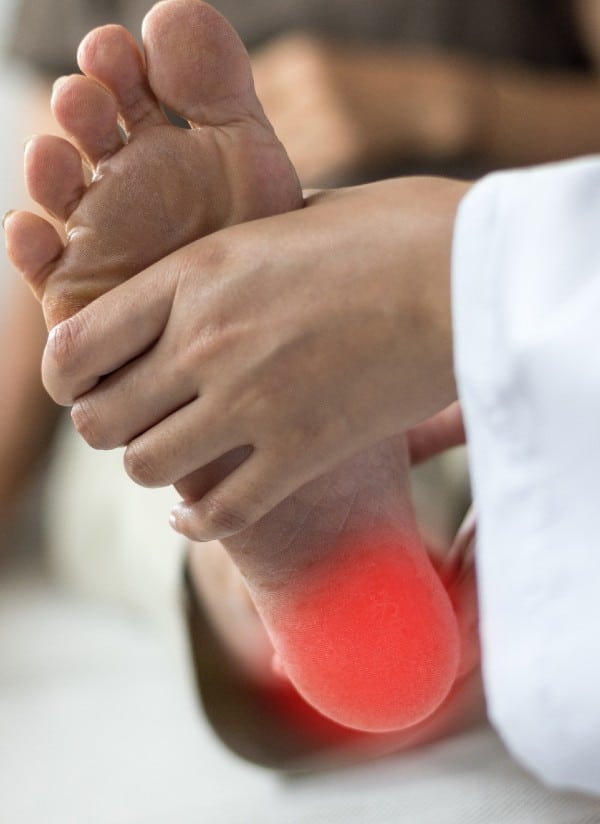
A diagnosis begins with a detailed evaluation of your symptoms, activity level, and medical history. Your podiatrist will assess areas of tenderness and observe how your foot moves and responds to gentle stretching.
If needed, imaging such as X-rays may be used to rule out other causes of heel pain, including fractures or structural concerns. This ensures treatment is targeted and appropriate for your condition.
Treatment Options for Plantar Fasciitis
Relief from plantar fasciitis requires a treatment plan tailored to your level of pain and activity demands. Our approach focuses on reducing inflammation, supporting healing, and preventing recurrence.
Initial Treatment Measures
Many patients benefit from early interventions such as activity modification, cold therapy to calm inflammation, and short-term anti-inflammatory medication when appropriate.
In-Office and Advanced Therapies
For ongoing or severe symptoms, treatment options may include physical therapy to improve flexibility and strength, medical injections to manage inflammation, night splints to stretch the plantar fascia during rest, and supportive footwear recommendations.
Custom orthotics may also be prescribed to improve foot alignment and provide consistent support throughout the day.
Surgical Care
Surgery is rarely necessary but may be considered when conservative treatments do not provide sufficient relief. When required, our team offers experienced surgical care with a focus on safe recovery and long-term improvement.

Reducing the Risk of Future Heel Pain
Preventing plantar fasciitis from returning involves proper foot support, regular stretching, and wearing shoes designed for stability and comfort. Ongoing podiatric care can help identify early signs of strain before pain becomes chronic.
Schedule Your Plantar Fasciitis Evaluation
Heel pain does not have to control your routine, or become a long-term problem. With timely, personalized care, plantar fasciitis is highly treatable.
If heel pain is limiting your comfort or mobility, the team at Richardson Podiatry Center is here to help. Contact our office today to schedule your evaluation and start your path toward lasting relief.