
Recover From Surgery Faster
Our first step in treating any foot or ankle injury or condition—after we have gone through the process of carefully diagnosing it—is to develop a treatment plan to resolve it. In doing so, we take the time to determine which nonsurgical options might be the right one(s) to relieve any pain and allow you to go back to your usual activities and lifestyle.
Whereas we are often able to treat many patients using conservative (nonsurgical) care, there are times when surgery is simply the best option to achieve the results we hope to see. In such cases, we certainly recommend this to our patients.
Fortunately, when we do have to perform surgical intervention, we are able to do so successfully.
Naturally, the actual procedure itself is instrumental in helping you to find relief and improved foot function. That said, what you do (and don’t do) during your recovery plays a key role in this.
For optimal recovery, you need to give your body enough time to mend and strengthen tissues through natural healing processes. Rest is an integral component of healing, so you will likely have to keep your weight off the affected limb.
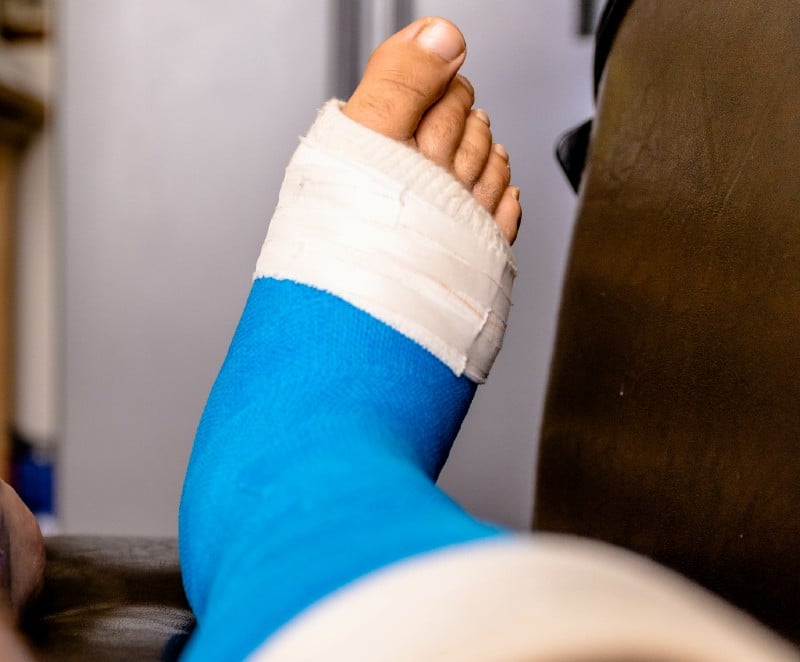
Things You Can Do While Recovering from Surgery
Following your procedure, it’s quite probable that you will need to hold off on your normal physical activities (exercising, sports, etc.) for a certain period of time.
Since you won’t be able to go running or play basketball (etc.), you will need to rely on other activities to keep you busy (and sane) during the recovery process.
We want to help you with this, so we offer the following list of some ideas you may wish to consider while you recover. These include things like:
- Training your brain with sudoku or crossword puzzles. As you recover from your surgery, you might not be able to exercise your body like you otherwise would, but you can still train your brain!Sudoku and crossword puzzles provide a great workout for your brain, which studies continually show to be a valuable practice as we age. More than that, the challenges they provide can be a lot of fun and provide you with a tremendous feeling of accomplishment when you complete them.
- Giving postal employees extra work by writing some letters. Communication in our modern age often is a matter of email and texts. Since you have to physically rest your body, this is a great opportunity to pleasantly surprise loved ones and friends by sending them handwritten letters. Even if you think you aren’t a great writer, you’d be amazed at how appreciative they will be when your letter arrives in the mail!
- Binge-watching a show (or two). There are so many current and recent critically-acclaimed and popular television shows—along with the technology to watch them—that you don’t have to worry about being bored during your recovery.No matter what your cup of tea might be (comedy, suspense, fantasy, etc.), you can certainly find several series that could become your new favorites. And if you’d like to venture back to the original Golden Age of Television, streaming services give you that option as well.
- Going “old school” and reading some books. Watching a quality show can be a great experience, but you can dive even deeper when you get into a good book. One particular advantage books have over shows is the simple fact you have considerably more options.There are several recent technological advances that give you more reading options than you previously would have had at your disposal. For example, your ability to go out and get books might be limited, but you can use a tablet or e-reader (Nook, Kindle, etc.) to bring the books to you!
These are all things you can do when recovering from surgery, but remember that the most important thing is to follow doctor’s orders. (They are written so you can get better in the shortest possible amount of time!)
Start Planning Your Recovery Now
As is true in virtually any area of life, better results come from making plans ahead of time. With that in mind, let’s look at components of postsurgical care and identify measures you can take before your surgery for smooth results:
- Plan for rest – Surgery can be partially defined as “planned physical trauma.” Your body is not designed to be cut into and have parts removed, rearranged, or otherwise altered. That said, the human body has a remarkable ability to heal itself and recover from procedures. For this recovery to happen, however, you need to rest.Since you need to give your body the opportunity to heal itself, take the time beforehand to make plans for rest. This means requesting time off of work (even if you have a “desk job,” since you will likely need to keep your affected limb elevated). You also need to take child care into consideration, especially if you are a parent to younger children.
- Make travel plans– This definitely isn’t the same as planning a dream vacation, but it’s a very important consideration! Due to the anesthesia used for your procedure, it is rather unlikely you will be able to drive home following your surgery. Give your loved one or friend enough notice so he or she will be able to make their own plans.
- Make meal plans– The odds are pretty low that your kitchen is in your bedroom, which means you probably have to walk to the kitchen. Depending on your home layout, this can even entail having to go up and downstairs. If you have a spouse or children who aren’t really young, you may have to enlist their help. Communicating this with them early is a good idea so you can stay off your feet when you need to.
- Review your hygiene routine – Your postop instructions may include keeping the surgical site dry. This could, naturally, affect your normal hygiene routine, especially if you shower or bathe daily (which is good practice). Before you come in for your procedure, take time to figure out what you will need to do with regards to hygienic practices during your recovery period.
- Dress appropriately – When planning your outfit for the day of your surgery, pick clothing that is loose and comfortable. Why is this important for your recovery? Well, putting on a pair of skinny jeans or other tight-fitting pants can potentially irritate the surgical site or remove scar tissue, which creates the possibility of infection.
Postoperative Care for Optimal Healing and Recovery
Planning beforehand is a huge step in making sure your recovery is a successful one, but so too is actually taking the appropriate postop measures.
It is difficult to overstate the importance of postsurgical care in the recovery process. After all, this stage is essential for your health and safety. As such, it is incredibly important for you to follow the specific postoperative instructions we provide.
Some general considerations and components we may include in your postsurgical plan include:
- Rest – Surgery is a big deal. If it wasn’t, we wouldn’t take as many measures as possible to avoid using it as a treatment option. Since it is, though, you will need to give your body the chance to perform its natural healing processes after the procedure.
- Medication– Depending on your procedure and situation, we will likely recommend or prescribe some form of medication for you. The pain-relieving properties of medicine certainly play a role, but the anti-inflammatory ones can be immensely helpful in assisting with your recovery.
- Restricted movement– In time, the amount and range of movement will increase, but we may recommend you limit how much you move the affected area for at least a certain period of time.
- Assistive devices– We may issue or prescribe braces, casts, or other devices to help you keep weight off of the repaired, but still allow you to be mobile.
- Physical therapy – As you recover, it will be necessary for you to gradually ease into physical movement. To that end, physical therapy is a key part of postsurgical care. Stretching and strengthening exercises are essential for making sure your movement is as natural as possible.
- Hygienic practices– The potential for infection is one of the risks of surgery. This risk doesn’t end once the procedure is completed, though. It is essential that you keep any insertion points clean to reduce your infection risk.
- Follow-up appointments – Don’t worry, you’re not on your own after the surgery! We will schedule follow-up appointments to monitor your progress and ensure everything is mending as it should.
Foot and Ankle Care at Richardson Podiatry Center
As we noted earlier, there is a good chance we will be able to treat your foot or ankle condition using nonsurgical methods. If we do recommend surgery, you can take comfort in the fact we’ve been able to help many patients find relief from pain and improved foot function through surgical intervention – and we can do the same for you!
For more information about foot and ankle surgeries, or to request an appointment with Richardson Podiatry Center, simply give us a call at (972) 690-5374 or fill out our online form and contact us online right now.