
Guide to Sports Injuries
Regular physical activity plays a vital role in maintaining overall health. Exercise strengthens muscles, improves cardiovascular fitness, supports mental well-being, and helps individuals maintain a healthy lifestyle. However, participating in sports and fitness activities also carries a risk of injury.
Sports injuries can affect anyone; from professional athletes and runners to weekend hikers and gym enthusiasts. Understanding the causes, symptoms, treatment options, and prevention strategies for sports injuries is essential for staying active and protecting long-term physical health.
Many sports injuries involve the foot and ankle, since these areas absorb significant impact during running, jumping, and quick directional movements. With proper knowledge and timely care, most injuries can be effectively treated and prevented.
Understanding Sports Injuries
Sports injuries refer to damage to muscles, ligaments, tendons, bones, or nerves that occurs during physical activity or exercise. These injuries typically develop in two ways: suddenly from trauma or gradually from repeated stress.
Acute Injuries
Acute injuries occur suddenly during activity, often as a result of a fall, collision, or awkward movement.
Overuse Injuries
Overuse injuries develop gradually when repetitive stress is placed on a particular part of the body over time without adequate rest or recovery.
Because the feet and ankles support the body’s weight and movement, they are among the most commonly affected areas in sports-related injuries.
Common Sports Injuries
Sports injuries affecting the lower extremities can range from mild irritation to more serious structural damage. Below are some of the most frequently seen conditions.
Acute Sports Injuries
Ankle Sprains
Ankle sprains occur when the ligaments that stabilize the ankle joint are stretched or torn. This often happens when the foot suddenly twists or rolls beyond its normal range of motion.
Common symptoms include:
- Pain and swelling around the ankle
- Bruising or tenderness
- Difficulty bearing weight
Ankle sprains are among the most common injuries in sports that involve running, jumping, or rapid changes in direction.
Fractures
A fracture is a break or crack in a bone, often caused by high-impact trauma or falls during sports activities. The toes, midfoot, and ankle bones are particularly vulnerable during contact sports or high-intensity exercise.
Symptoms may include severe pain, swelling, deformity, and difficulty walking. Diagnostic imaging, such as X-rays or MRI, may be recommended to confirm the injury.
Turf Toe
Turf toe is a sprain of the joint at the base of the big toe. It typically occurs when the toe bends upward forcefully while pushing off the ground.
This injury is common in sports played on artificial turf, such as football and soccer, where athletes frequently accelerate and pivot.
Overuse Sports Injuries
Overuse injuries develop when tissues are repeatedly stressed without sufficient time to heal.
Stress Fractures
Stress fractures are tiny cracks in the bone caused by repetitive impact, often seen in runners, dancers, and athletes who suddenly increase training intensity.
These injuries usually begin with mild pain that gradually worsens during activity.
Achilles Tendinitis
Achilles tendinitis occurs when the Achilles tendon becomes inflamed due to repetitive strain or overtraining. The condition commonly affects runners and athletes who participate in jumping sports.
Typical symptoms include:
- Heel pain or stiffness
- Tenderness along the tendon
- Pain during activity or after exercise
Morton’s Neuroma
Morton’s neuroma is a condition involving thickened nerve tissue between the toes, usually between the third and fourth toes.
Athletes may experience:
- Burning pain in the ball of the foot
- Tingling or numbness in the toes
- A sensation similar to stepping on a pebble
Black Toenail (Runner’s Toe)
Black toenail occurs when repeated pressure or friction causes bleeding beneath the toenail. This condition is common among runners and hikers, particularly when shoes fit too tightly or toenails are too long.
The affected nail may turn dark and eventually loosen or fall off.
Signs and Symptoms of Sports Injuries
Recognizing early warning signs can help prevent a minor injury from becoming more serious. Common symptoms include:
- Sharp or persistent pain
- Swelling or inflammation
- Redness or warmth in the affected area
- Limited range of motion or stiffness
- Tingling, numbness, or burning sensations
If symptoms worsen or persist despite rest, professional evaluation may be necessary.
Sports Injury Treatment Options
Prompt treatment is important to reduce pain, promote healing, and prevent long-term complications.
Initial Treatment: RICE Method
Many minor injuries benefit from the RICE approach, which includes:
- Rest: Avoid activities that worsen the injury
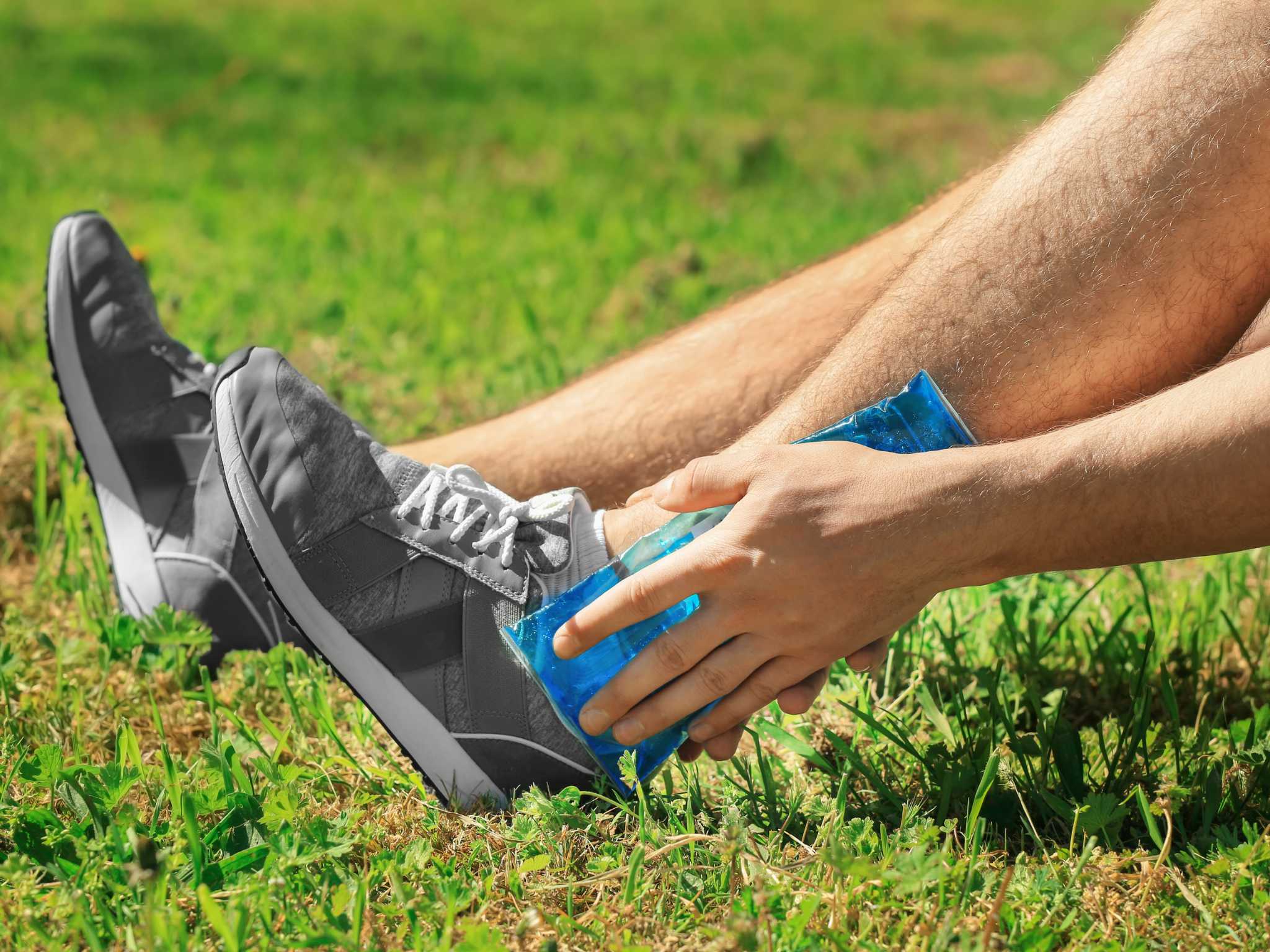
- Ice: Apply cold packs to reduce swelling
- Compression: Use bandages or wraps to stabilize the area
- Elevation: Keep the injured limb raised above heart level
Rehabilitation and Physical Therapy
Once the initial pain and swelling improve, rehabilitation exercises may be recommended to restore strength, flexibility, and stability. Physical therapy helps athletes safely return to their activities while reducing the risk of re-injury.
Professional Medical Care
If symptoms persist or worsen, consulting a sports injury specialist or podiatrist is important. A medical professional can provide an accurate diagnosis and develop a personalized treatment plan.
In severe cases, such as fractures, significant ligament damage, or chronic tendon injuries, surgical treatment may be necessary.
Preventing Sports Injuries
While injuries cannot always be avoided, several strategies can significantly reduce risk.
Gradually Increase Activity
Starting a new exercise routine too quickly can strain muscles and tendons. Gradually increasing intensity allows the body to adapt safely.
Warm Up and Stretch
Proper warm-up exercises increase blood flow to muscles and improve flexibility, reducing the likelihood of strains and sprains.
Wear Proper Footwear
Supportive, well-fitting athletic shoes provide stability and help protect the feet and ankles from injury.
Strength and Conditioning
Maintaining strong muscles and stable joints helps the body withstand the physical demands of sports and exercise.
Listen to Your Body
Pain is often an early warning sign. Ignoring discomfort and continuing activity can turn a minor issue into a more serious injury.
Maintain Hydration and Nutrition
Proper hydration and balanced nutrition support muscle recovery and overall physical performance.
The Importance of Rest and Recovery
Recovery is an essential part of any training routine. Without adequate rest, the body cannot repair damaged tissues or rebuild stronger muscles.
Key recovery practices include:
- Scheduling regular rest days
- Getting sufficient sleep
- Incorporating stretching or flexibility exercises
- Adding cross-training activities to reduce repetitive stress
These habits help athletes maintain long-term performance and prevent overuse injuries.
The Psychological Impact of Sports Injuries
Sports injuries do not only affect the body; they can also impact mental well-being. Athletes may experience frustration, stress, or anxiety about returning to activity.
Developing mental resilience during recovery is important. Staying positive, following rehabilitation plans, and seeking support from healthcare professionals or sports psychologists can help individuals regain confidence and motivation.
When to Seek Professional Care
If you experience persistent pain, swelling, or difficulty walking after a sports injury, a professional medical evaluation is recommended.
At Richardson Podiatry Center, specialists focus on diagnosing and treating foot and ankle sports injuries. Treatment options may include conservative therapies, rehabilitation programs, and advanced care when needed.
Early treatment can prevent complications and help you return to your favorite activities safely.
Stay Active and Protect Your Health
Sports injuries are common, but they do not have to derail your active lifestyle. By understanding the causes of sports injuries, recognizing symptoms early, and following effective prevention strategies, you can continue enjoying physical activity with confidence.
If you suspect a sports injury, seeking professional care and following a proper recovery plan can help you heal faster and reduce the risk of future problems.
Staying informed, prioritizing prevention, and taking care of your body are the keys to long-term fitness and injury-free movement.
Schedule a Sports Injury Evaluation Today
Ignoring foot or ankle pain can lead to more serious injuries over time. If you suspect a sports-related injury, a professional evaluation is the best way to protect your long-term mobility.
At Richardson Podiatry Center, we offer advanced diagnosis and treatment for a wide range of sports injuries, helping athletes and active individuals recover quickly and safely.
Call today at 972-690-5374 or request an appointment online to start your recovery.